Posted on 11/10/2026
Permits for floral stalls Harrow town centre market rules: a practical guide for traders
If you are planning to sell flowers in Harrow town centre, the permit side of things can feel a bit more intimidating than the flowers themselves. One minute you are thinking about buckets, pricing, and whether your roses will hold up in chilly weather; the next you are trying to work out market permissions, stall rules, and who actually has the final say. That is exactly where this guide helps. It explains the reality of Permits for floral stalls Harrow town centre market rules in plain English, so you can get organised, avoid avoidable mistakes, and trade with a bit more confidence.
We will walk through how permits usually work, why the rules matter, what to check before you set up, and how to stay on the right side of market requirements. You will also find a checklist, a comparison table, a real-world style example, and FAQs that answer the questions people often forget to ask until the last minute. Let's make it simpler. Because, truth be told, nobody wants to arrive with a van full of blooms and discover they are missing a key permission.
- Why these rules matter
- How the permit and market process works
- Key benefits of getting it right
- Who needs a floral stall permit
- Step-by-step guidance
- Expert tips for smoother trading
- Common mistakes to avoid
- Tools, resources and recommendations
- Law, compliance and best practice
- Options and comparison table
- Case study example
- Practical checklist
- Conclusion
- Frequently asked questions
Why Permits for floral stalls Harrow town centre market rules Matters
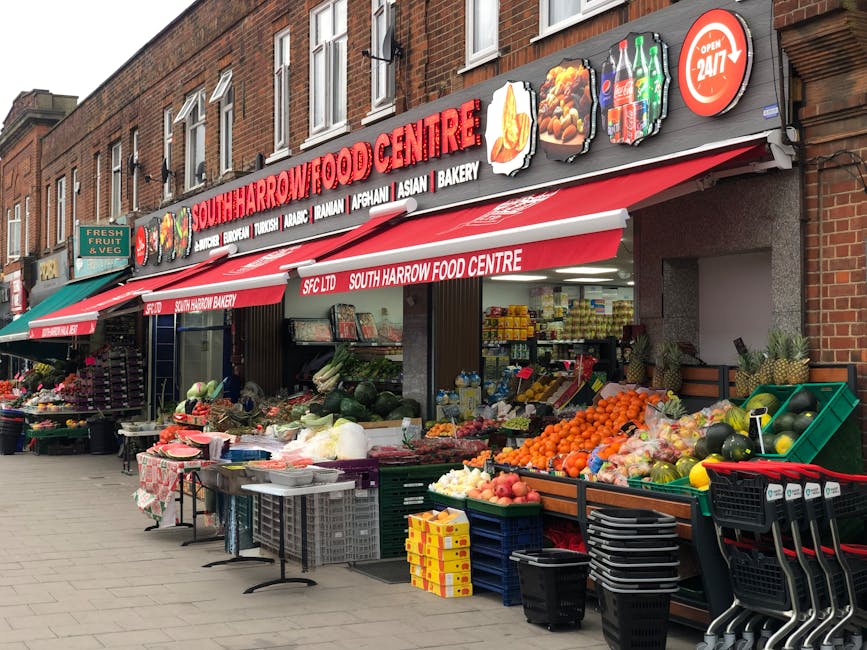
A floral stall is not just a pretty display. It is a business operating in a public market environment, which means permissions, stall allocation, trading conditions, and local expectations all matter. If you are working in Harrow town centre, the rules shape where you can trade, when you can trade, what you can bring, and how you keep the stall safe and tidy.
Why does this matter so much? Because even a very experienced florist can run into trouble if the paperwork is wrong or the stall setup does not match market requirements. A permit may seem like a formality, but in practice it helps protect you from disruption. It also gives the market team a way to manage trading space fairly, maintain a consistent standard, and make sure customers have a better experience. Everyone wins, really.
For a flower seller, the market is often busiest around peak times: morning commuters, weekend visitors, last-minute gift buyers, and seasonal rushes around occasions like Mother's Day, Valentine's Day, and wedding season. That means the pressure is on. A missing permit or misunderstood rule can mean a delayed start, a refused pitch, or a scramble to fix something on the spot. Not ideal, to put it mildly.
There is also the reputational side. A trader who follows the rules tends to build trust faster. Market staff notice. Customers notice. Other traders notice. And in a close, busy market setting, that matters more than people think.
Expert summary: If you are serious about trading floral products in Harrow town centre, think of permit compliance as part of your setup, not an afterthought. The best stalls usually look calm because the admin was handled early.
How Permits for floral stalls Harrow town centre market rules Works
While exact procedures can vary depending on the market operator and the type of pitch involved, the process usually follows a familiar pattern. You identify the trading space, confirm whether floral goods are permitted there, apply or request approval, and then meet the conditions attached to the stall.
That sounds straightforward. Sometimes it is. Sometimes there are a few moving parts, like pitch size, timing, insurance, access for loading, waste disposal, or whether the stall sits inside a covered market or a shared public area. This is where many people underestimate the admin. The flowers are easy; the operational details are where the real work lives.
In practical terms, the rules normally cover things such as:
- who can trade at the market
- what type of products are allowed
- how the stall must be presented
- opening hours and set-up times
- health, safety, and public access requirements
- clean-up responsibilities
- whether additional permissions are needed for signs, displays, or external structures
For floral traders, the practical twist is that flowers are delicate, seasonal, and sometimes messy in a very ordinary way. Water spillages, packaging waste, and temperature changes all affect the stall. So the market rules may expect you to manage ice buckets, keep walkways clear, and present stock safely. No one wants a lovely bunch of lilies sliding across wet pavement at 9:15 in the morning.
Another thing worth noting: different trading formats can have different expectations. A permanent covered market stall is not the same as a one-off seasonal pitch, and a branded floral display for events may need extra checks if it uses props or occupies more space than usual.
Key Benefits and Practical Advantages
Getting the permit and market requirements right is not just about avoiding trouble. It can actively help your business run better.
1. More predictable trading.
When permissions are sorted, you spend less time worrying about whether you will be moved on or challenged mid-session. That gives you room to focus on display, customer service, and stock rotation.
2. Better customer confidence.
Shoppers are far more likely to buy from a stall that looks organised, clean, and properly run. A tidy pitch with clear pricing and good presentation feels trustworthy.
3. Lower risk of costly mistakes.
Even small issues like incorrect stall positioning, blocked access, or missing insurance paperwork can become bigger problems if ignored.
4. Smoother seasonal trading.
Floristry often moves fast around holidays and events. If your permissions are already in place, you can take advantage of busy days without last-minute stress.
5. Better relationships with market management.
That may sound soft, but it is valuable. A trader who communicates well and respects the rules is often easier to support when something unexpected crops up.
To be fair, nobody gets excited about permits. But the traders who stay in business long-term usually understand that a solid setup behind the scenes matters just as much as the bouquet on the front table.
Who This Is For and When It Makes Sense
This guide is for anyone thinking about selling flowers in or around Harrow town centre market, whether you are starting from scratch or moving your existing flower business into a market setting.
It is especially useful if you are:
- a local florist testing out market trading
- a grower selling seasonal blooms directly
- a small business owner adding a floral stall to an existing retail offer
- a wedding florist looking for occasional public-facing sales opportunities
- a trader who wants to move from ad hoc selling to a more formal setup
It also makes sense if you are considering a pop-up stall rather than a permanent unit. Many flower sellers start with a short-term pitch to see how footfall, stock movement, and setup logistics feel in real life. That is sensible. Honestly, it is often the smart move.
You may not need the same level of structure if you are only doing occasional private events or pre-arranged delivery work. If your main business is flower delivery, for example, you might spend more time on product pages and customer orders than market permissions, and pages like flower delivery in Harrow or flower shops in Harrow may be more relevant to your broader trading plan. But if you are actually setting up a physical stall, market rules come first.
When does it make sense to pursue a stall? Usually when you want face-to-face sales, local visibility, immediate customer feedback, and the ability to move stock quickly. If you are good at presentation and enjoy talking to customers, a market pitch can be a strong fit.
Step-by-Step Guidance
If you are approaching the permit process for the first time, keep it simple and work in order. A tidy sequence saves a lot of backtracking later.
- Confirm the market location and trading format.
Work out whether you are dealing with Harrow town centre market specifically, a nearby public trading area, or a temporary event pitch. The distinction matters because the permissions may differ. - Check whether floral goods are accepted.
Some markets welcome fresh produce and flowers easily; others have tighter rules on stall type, product categories, or display materials. It sounds obvious, but this is where people waste time. - Ask what documents are needed.
Common examples include trader identification, insurance, business details, risk information, and proof of any required registrations. Requirements can differ, so do not guess. - Map out your stall setup.
Note your table size, storage needs, water containers, signage, pricing cards, and waste disposal plan. If you sell mixed bouquets, boxed arrangements, or gift add-ons, make sure the display still fits neatly. - Review timing rules.
Find out arrival times, unloading windows, closing times, and whether you can stay while packing down. In busy streets, timing can be everything. - Prepare your product and stock plan.
Flowers do not enjoy being left in the sun, and they really do not enjoy standing around for hours in the wrong conditions. Plan quantities conservatively at first. - Set pricing and payment methods.
Keep your prices clear and visible. If card payments are expected, have a reliable setup. If cash is still part of your model, balance and storage matter. - Keep records.
Save permit details, renewal dates, contact names, and any conditions attached to your pitch. One note in a phone app can save a surprising amount of future faff.
If this is your first time trading in a formal market, do a dry run. Stand where the stall would be, imagine the foot traffic, and picture how you will restock, smile at customers, and keep the display neat when the morning rush starts. A bit of rehearsal helps more than most people expect.
Expert Tips for Better Results
Here is where the small details start paying off. These are the sorts of things experienced traders pay attention to, even if they do not always talk about them in public.
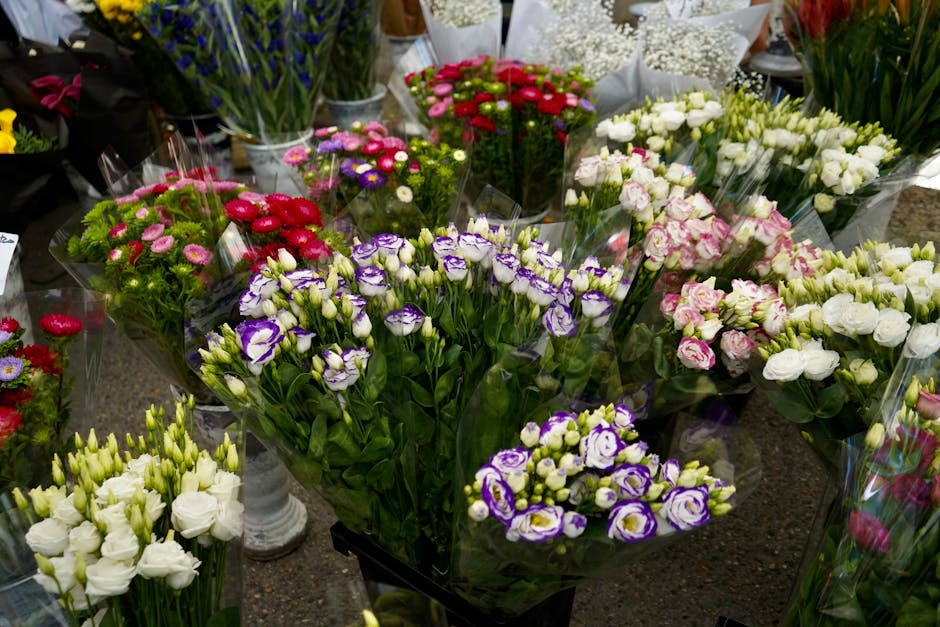
- Keep a compact display style. Flowers look elegant when they breathe a little. Overcrowding the stall can make stock look tired and harder to manage.
- Use weather-aware stock planning. Cold mornings, warm afternoons, and sudden rain can all affect what sells and how fast. Adjust stock levels accordingly.
- Label everything clearly. Clear prices save awkward conversations and help customers browse without pressure.
- Carry a small clean-up kit. Cloths, spare bags, ties, wipes, and basic waste supplies are worth their weight in gold on a busy day.
- Think about customer movement. Leave space for people to browse without blocking the market path. A cramped stall feels less welcoming.
- Choose flowers that hold well. For public stalls, robust stems and mixed bouquets often perform better than highly delicate designs unless you have protected storage.
- Build a repeatable setup. If every trading day starts from zero, it becomes exhausting. A repeatable kit saves time and energy.
A small local observation: market customers often make decisions quickly. They may slow down because a bouquet catches their eye, then buy within seconds. That means your first impression matters a lot. Not perfect, just clear and welcoming. That is usually enough.
Common Mistakes to Avoid
Most permit problems are not dramatic. They are ordinary, preventable mistakes that snowball because someone was in a rush.
- Assuming all market pitches have the same rules. They do not. One site can be far stricter than another.
- Arriving without confirming set-up timing. This is a classic one. You turn up early, then wait awkwardly, or worse, miss your window.
- Underestimating stock handling. Flowers need care, shade, water, and sensible packaging. A "we'll make it work" attitude can become expensive.
- Ignoring stall presentation rules. Even if your product is beautiful, a cluttered or unsafe stall can undermine sales.
- Failing to keep permit details together. Keep one folder or digital note with all relevant documents. Future you will be grateful.
- Forgetting refresh and waste plans. Floral stalls generate trimmings, damp packaging, and general mess. Have a plan for it.
Another common slip is not checking whether your other selling channels are aligned with your stall plan. If your brand already serves customers through send flowers in Harrow or product-led pages like all flowers, the stall should feel like part of the same business, not a random side project with different standards. Consistency helps.
Tools, Resources and Recommendations
You do not need a fancy toolkit to run a floral stall, but you do need the right practical bits. The less glamorous items often matter the most.
- Reliable buckets or containers for water and stem support
- Weather protection such as covers, weights, or shade where permitted
- Clear signage for prices, product names, and optional extras
- Portable payment equipment if card payments are part of your setup
- Waste bags and cleaning cloths for daily tidying
- Notebook or digital tracker for permit dates, stock notes, and customer patterns
- Simple transport system such as crates or carriers that protect stems on the journey in
For product planning, it can help to study what sells well in your broader area before you commit to a pitch. Pages like best flower delivery Harrow, cheap flowers Harrow, and best sellers can give useful clues about customer preference, even if your market audience is slightly different from online buyers.
If you are planning a more formal floral business model with repeat customers, service pages such as wedding flowers Harrow and funeral flowers Harrow may also help you shape what stock and styles belong on a stall. Different customer needs, different buying mood. That part matters.
Law, Compliance, Standards, or Best Practice
When trading flowers in a market setting, the safest approach is to treat compliance as practical business housekeeping. Exact legal duties can depend on the pitch, the market operator, your business structure, and the type of goods or structures involved. So, rather than assuming, verify the current requirements before you trade.
In UK market settings, good practice usually includes the following:
- Having the correct permission to trade and not relying on informal arrangements
- Keeping public areas clear so shoppers and other traders can move safely
- Managing product display safely to reduce spills, trip hazards, or unstable arrangements
- Maintaining adequate insurance where required or commercially sensible
- Following food, waste, and hygiene expectations if your setup includes related items or handling practices
- Respecting market opening and closing times and any loading rules
If you sell add-ons like cards, gifts, or bundled products, it helps to keep your trading offer tidy and transparent. Pages such as thank you card and flowers and chocolate show how a floral business can branch out without losing clarity. The more neatly you define your offer, the easier it is to fit within market conditions and customer expectations.
Best practice also means communicating early if something changes. If your stall moves, your stock profile changes, or you need a different layout for a seasonal period, ask first. Markets tend to be far more cooperative when traders are upfront. Makes sense, really.
Options, Methods, or Comparison Table
If you are deciding how to trade floral products in Harrow, it helps to compare the most common options side by side. The right route depends on your goals, budget, and how hands-on you want to be.
| Trading option | Best for | Advantages | Things to watch |
|---|---|---|---|
| Market floral stall | Local footfall, direct sales, seasonal trading | Immediate customer interaction, visible brand presence, flexible stock mix | Permit rules, weather, set-up timing, public-facing pressure |
| Shopfront florist | Stable trading base, regular local customers | Consistent display, easier storage, stronger brand identity | Higher fixed overheads, less mobility, location dependence |
| Delivery-led business | Broad reach, pre-ordered bouquets, gifting | Scalable, convenient for customers, less weather exposure | Logistics management, delivery quality, packaging and timing |
| Pop-up or seasonal pitch | Testing demand, special dates, limited-run trading | Lower commitment, quicker launch, useful for market research | Short trading window, temporary permissions, stock forecasting |
If your goal is to test demand before investing in a longer-term setup, a market stall can be a smart middle ground. You get real customer feedback fast. Sometimes brutally fast, actually. But that feedback is gold if you listen to it.
Case Study or Real-World Example
Here is a realistic example. Imagine a small florist who usually sells online and delivers locally across Harrow. Business is steady, but they notice a lot of customers still want to choose flowers in person, especially on Fridays and weekends. They decide to trial a market stall in Harrow town centre.
At first, they focus on the flowers and not much else. Nice stems, good colours, a few spring arrangements, maybe some roses and mixed bunches. Then the admin side kicks in. They need to confirm whether the pitch can support floral trading, sort out stall dimensions, check set-up time, and make sure the display will not block passing shoppers. Suddenly the stall is not just a stall. It is a tiny logistics project.
They start again, properly this time. They create a compact display, use clear pricing, keep a simple waste plan, and limit stock to bouquets that can withstand a few hours on display. On the first trading day, the morning is cool, the pavement still damp from early drizzle, and shoppers move briskly past the front of the market. The florist notices something important: people respond to neatness. Not over-the-top styling. Neatness.
By the end of the day, they have learnt that the permit and market rules are not the boring part; they are the structure that lets the selling part work. They return with fewer flowers, cleaner presentation, and better timing. The stall becomes easier each week because the basics are now in place.
That is the real lesson. When the rules are handled early, the trading gets lighter. More natural. Less panic, more selling.
Practical Checklist
Use this checklist before your first trading day, or before renewing an existing pitch arrangement.
- Confirm the exact market location and stall type
- Check whether floral trading is permitted
- Verify any permit, licence, or approval requirements
- Review insurance and business information requirements
- Note arrival, unloading, and pack-down times
- Prepare stall tables, buckets, covers, and signage
- Plan stock that suits weather and footfall
- Set clear prices and payment options
- Organise a waste and clean-up kit
- Save market contact details and permit dates
- Test transport and display setup before trading day
- Check whether any extra items, such as cards or gifts, fit the market rules
Quick reminder: if you can set up in under a realistic time at home, you are far more likely to do it calmly at the market. Calm matters. People can feel it.
Get a free quote today and see how much you can save.
Conclusion
Permits for floral stalls Harrow town centre market rules may sound like admin, but they are really the framework that keeps your trading day smooth, safe, and professional. Once you understand the basics, the process becomes far less daunting. You know what to check, how to prepare, and where the common traps are.
The strongest floral stalls are rarely the flashiest. They are the ones that look organised, move efficiently, and respect the market environment. Get the permissions right, keep your setup simple, and let the flowers do what they do best.
If you take one thing from this guide, let it be this: good trading starts before the first bouquet is sold. And once that part is sorted, the rest feels a lot more manageable. A bit less stress, a bit more rhythm. That is a good trade, in every sense.
Frequently Asked Questions
Do I need a permit to sell flowers at Harrow town centre market?
In most market settings, yes, you will need some form of permission or trading approval before setting up a floral stall. The exact requirement depends on the market operator, the pitch type, and whether you are trading regularly or just for a temporary period. Always confirm before you start.
Are floral stalls treated differently from other market stalls?
Often, they are treated a little differently in practice because flowers involve water, packaging, display space, and temperature-sensitive stock. That does not always mean a separate legal category, but it does mean the stall may have extra practical conditions attached.
What documents are usually needed for a floral stall permit?
This varies, but commonly requested items include business details, identification, insurance information, and any trading or pitch paperwork required by the market. Some operators may also ask about your stall layout or the types of products you plan to sell.
Can I sell other items with flowers, like cards or chocolates?
Sometimes yes, but only if the market rules allow it and the stall remains manageable and safe. Smaller add-on items can work well, but too much variety can make the display cluttered. A focused offer is usually easier to run.
How much space does a floral stall usually need?
That depends on the market pitch and your trading model. Compact displays are often easier to manage, especially if you are using buckets, signage, and a payment area. Before you commit, ask about the exact stall dimensions so you are not guessing on the day.
Do I need insurance for a flower stall?
Many market operators expect traders to have insurance, and even where it is not explicitly required, it is often sensible to have it. Public-facing stalls carry everyday risks, from spills to accidental damage, so this is one of those things worth checking carefully.
Can I trade floral stalls seasonally only?
Yes, seasonal trading is common for flowers. In fact, many traders only pitch during high-demand periods such as holidays, wedding season, or local events. Just make sure your permission covers the dates you plan to trade.
What happens if I arrive late or miss setup time?
That can create problems, especially in a busy market where pitch allocation and pedestrian movement are tightly managed. If you think you will be late, contact the market team as early as possible. A quick message is far better than turning up and hoping for the best.
Can I use a delivery-based florist offer alongside a market stall?
Yes, many businesses do both. A market stall can raise local awareness, while delivery supports repeat sales. If you run a delivery service too, pages such as same-day flower delivery in Harrow or next-day flower delivery in Harrow may sit nicely alongside your market activity.
How can I make my floral stall more attractive to customers?
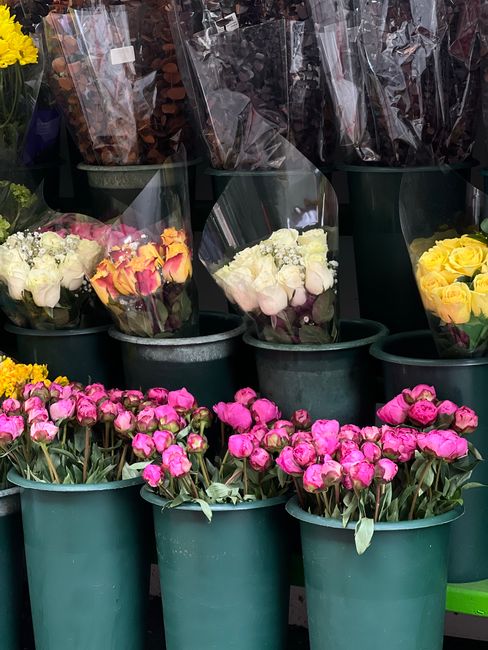
Keep it neat, clearly priced, and easy to browse. Use strong colour groupings, avoid overcrowding, and make sure the flowers look fresh. Small touches matter too: clean containers, simple signage, and a calm, friendly setup often sell better than a fussy one.
What is the biggest mistake new floral stall traders make?
The biggest mistake is usually underestimating how much preparation is needed. People focus on stock and forget the practical side: permissions, timing, transport, water, waste, and display structure. Once those pieces are sorted, the stall becomes much easier to run.
Should I check with the market even if I only want to trade once?
Absolutely. One-off and temporary trading often still require approval, and the rules can be stricter than expected. It is always better to check early than to rely on assumptions and face a last-minute problem.
Where should I start if I am new to floral market trading?
Start with the market operator, your intended trading dates, and the basic permit requirements. Then build your stall plan around those rules. If you already sell online, your existing products may help, but the market setting will need its own practical setup. Once that is clear, everything else falls into place more easily.


