Posted on 03/10/2026
Funeral flower disposal Harrow council guidance and fines: what residents, venues and families should know
If you have just come back from a funeral in Harrow and are wondering what happens next to the flowers, you are not alone. Funeral flower disposal can feel like a tiny detail in a very heavy week, but it matters more than people think. Poorly disposed tributes can create litter issues, upset venue staff, and in some cases lead to council enforcement or fines. This guide explains Funeral flower disposal Harrow council guidance and fines in clear, practical terms, so you can deal with arrangements respectfully and avoid unnecessary trouble.
Whether you are a family member, funeral director, church or crematorium contact, or someone helping tidy up after the service, this article walks through the sensible steps. You will also find local-minded advice, a simple checklist, common mistakes, and a comparison of disposal options. No fluff. Just the stuff that actually helps on a day when decisions already feel exhausting.
Why Funeral flower disposal Harrow council guidance and fines Matters
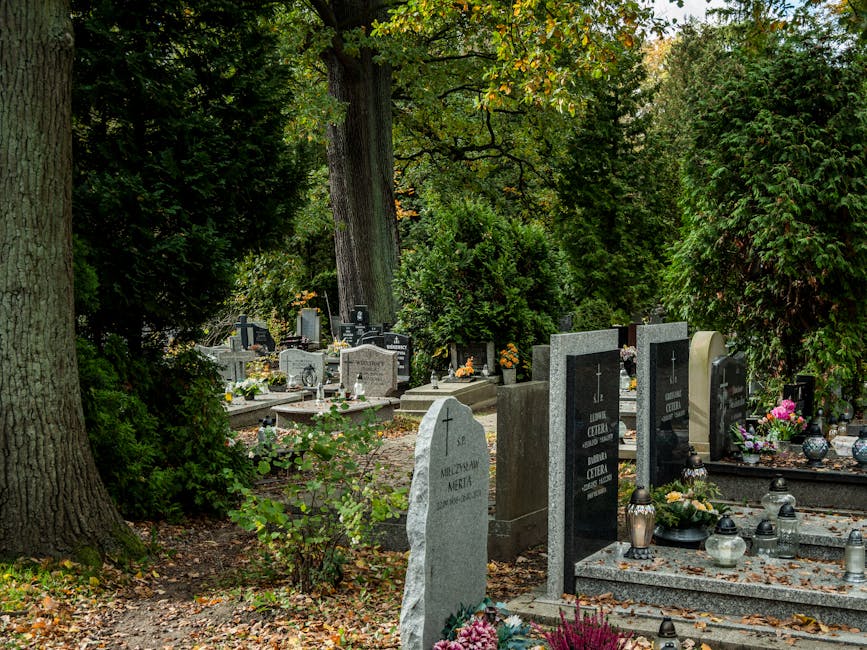
Funeral flowers are not just decorations. They are tribute pieces, often tied to memory, faith, culture and family expectations. That is why the way they are removed, stored, recycled or discarded should be handled with care. In Harrow, as in much of London, public spaces, cemetery entrances, crematorium forecourts and adjacent pavements can become cluttered quickly after services. If bouquets, wreaths and card messages are left scattered around, they can block access, attract nuisance, or simply look untidy at a sensitive time.
The council angle matters because refuse left in the wrong place can move from being a bereavement issue to a general waste or litter issue. And once that happens, fines or enforcement notices can become part of the picture. To be fair, nobody wants to think about penalties when they are arranging condolences, but a small bit of organisation avoids a bigger headache later on.
There is also a dignity issue. Many families want flowers taken home, donated, composted or separated for reuse by the funeral director. Others prefer everything removed quickly and quietly. Neither approach is wrong. The problem is when no one is clear about who is responsible, where the tributes should go, or whether the venue has its own collection process. That is where things get messy. And yes, messy is the right word here.
Expert summary: The safest approach is simple: agree in advance who removes the flowers, check the venue's collection rules, keep tributes out of public walkways, and never assume the council will clear them for you. A little planning avoids waste, conflict and possible enforcement.
How Funeral flower disposal Harrow council guidance and fines Works
The process is usually more straightforward than people expect. Funeral flowers are normally collected after the service, either by the family, the funeral director, the venue, or a designated contractor. Some arrangements are taken home, some are shared among relatives, some are broken down for composting, and some are disposed of as general waste or green waste depending on what local rules allow.
Where council guidance comes in is around where the flowers are left and how they are handled once the service ends. If tributes are left in a public area, on a pavement, near bins, or outside a cemetery gate, they may be treated as fly-tipping, obstruction, or littering if not collected promptly. That is the point at which fines can be considered. Usually, the issue is not the flowers themselves. It is the placement, timing and failure to clear them responsibly.
In practical terms, this often breaks down into a few common scenarios:
- Private collection: family members pick up arrangements after the service and take them home.
- Venue clearance: the crematorium, church, chapel or funeral home moves tributes into a designated collection point.
- Funeral director assistance: the director arranges removal, storage, recycling or disposal as part of the service.
- Waste disposal: damaged flowers, wet foam, packaging and card stands are separated and disposed of appropriately.
There is a key detail people miss: the flower heads and the packaging are not always treated the same way. Plastic wrapping, wires, floral foam, ribbons and card holders may need different handling from the blooms themselves. If you have ever lifted a wreath and found half the base still soggy from the rain, you will know exactly why this matters. Harrow weather does not exactly help either.
Key Benefits and Practical Advantages
Good funeral flower disposal is not just about avoiding a problem. It also makes the day cleaner, calmer and more respectful. The benefits show up in small but important ways.
- Reduces the risk of fines or complaints: proper clearance means there is less chance of litter enforcement or objections from venue staff and passers-by.
- Protects the dignity of the tribute: flowers are handled in a way that reflects the meaning behind them.
- Makes transport easier: sorted tributes are simpler to move into cars, vans or storage.
- Supports recycling or composting: where suitable, organic material can be separated from non-organic parts.
- Reduces stress on the family: clear responsibilities mean fewer awkward last-minute decisions.
- Keeps venues tidy: especially important when services are scheduled back-to-back.
There is also a practical comfort in clearing flowers properly. Many families prefer to take a few key arrangements home first thing the next morning, when the room is quiet and everything has had time to settle. That little pause often feels kinder than rushing it all at once. Truth be told, grief and admin are a bad combination, so anything that cuts admin is welcome.
For florists, funeral directors and venue teams, a good system also saves time. Once a standard process is in place, staff know which tributes to hold, which to separate, and where to place them for collection. That sort of routine sounds mundane, but it can make a tense day smoother for everyone.
Who This Is For and When It Makes Sense
This guidance is useful for a wide group of people, not just the immediate family. In our experience, confusion usually appears when several people think someone else is handling the flowers. One relative thinks the funeral home is collecting them, the venue assumes the family wants them, and the driver has already left. Not ideal.
You may need this guidance if you are:
- a family member arranging a funeral in Harrow
- a funeral director managing tributes after the service
- a church, crematorium or burial-ground administrator
- a florist delivering funeral flowers to Harrow
- someone helping with wake-room clear-up or venue tidying
- a neighbour or volunteer asked to take tributes home or move them
It makes sense at several stages: before the service, immediately after the service, and again the next day if flowers are being collected in batches. Some families prefer to leave large wreaths or coffin sprays until after a final viewing or committal. Others want everything gone before the reception. There is no universal rule, which is why a quick conversation early on is worth its weight in gold.
Local relevance matters too. In busy parts of Harrow, or near places with regular service traffic, space can be limited. If flowers are left at the edge of a road or public footpath, they may quickly become a safety issue. It sounds fussy until you are stepping around soaked cellophane and ribbon on a damp afternoon. Then it feels obvious.
Step-by-Step Guidance
If you want the cleanest, least stressful approach, follow a simple sequence. It does not have to be overcomplicated.
- Confirm who is responsible before the service. Ask the funeral director, venue or organiser who will move the flowers after the ceremony. Do this early, not after everyone has left.
- Decide what will be kept. Some families keep a few key wreaths, sympathy sprays or handwritten cards. Others take only the personal tributes and leave the rest for disposal.
- Separate what can be reused. Remove ribbon messages, card holders, plastic sleeves and non-organic packaging where possible. Keep keepsakes aside.
- Choose the disposal route. Flowers may be taken home, composted if suitable, put into green waste where accepted, or placed with general waste if contaminated or mixed with non-recyclable materials.
- Clear public areas promptly. If tributes are outside a venue, along an entrance path, or near a road, move them as soon as the service allows.
- Check for venue-specific instructions. Some sites ask for collection at a certain time, certain door, or certain loading area. Small detail, big difference.
- Document anything unusual. If you are a venue or funeral director, note unusual collections, unattended tributes, or items left behind in case questions arise later.
A good rule of thumb: if a flower arrangement is still likely to be viewed by the public, keep it tidy and contained. If it is leaving the site, make sure it leaves as a single planned movement rather than being abandoned in stages. That sounds like common sense because, well, it is.
For families dealing with several addresses or different collection times, it can help to assign one person as the tribute point of contact. One person, one list, one answer. Less chaos. Less back-and-forth on the phone while people are trying to load cars and find keys.
Expert Tips for Better Results
These small habits make a surprisingly big difference.
- Ask the florist about structure: arrangements with floral foam, wires or water tubes may need careful handling, especially if you want to compost the blooms later.
- Keep sympathy cards dry: if messages matter to the family, remove cards before flowers are handled in bulk.
- Use separate bags or boxes: one for keepsakes, one for compostable stems, one for mixed waste. It sounds a bit over the top until you are knee-deep in ribbon and paper.
- Plan for wet weather: in London, a light drizzle can turn cardboard card stands into mush in no time. Have a fallback.
- Check access times: venues sometimes only allow collections when staff are present. If you arrive too late, tributes may be moved again or left unsecured.
- Think about scent and storage: heavily scented lilies or mixed seasonal arrangements can become overwhelming if left warm for too long, especially in small rooms or cars.
A useful practical insight: if the flowers are going to be shared among relatives, arrange the distribution before the service ends. Otherwise, everyone stands around being polite and nobody wants to be the one holding the roses. That awkward pause is very real.
Another tip is to use the funeral flowers themselves as a memory aid. Families often take one small spray, one card, and one photo of the display. That can make the later clearing process feel less like a sudden ending and more like a gentle transition.
Common Mistakes to Avoid
Most problems with funeral flower disposal are not dramatic. They are just preventable.
- Leaving tributes in a public space overnight: this is one of the most obvious risks. It can lead to complaints, littering concerns, or removal by staff.
- Assuming the council will collect them automatically: in many cases, it will not be the council's job unless there is a specific arranged service or local process.
- Mixing everything together: throwing wire, foam, paper, plastic and flowers into one bag makes recycling much harder.
- Forgetting the venue's own rules: some places have very specific removal windows.
- Not naming one responsible person: if everyone is responsible, sometimes nobody is.
- Blocking entrances or pavement edges: even a beautiful wreath can become a hazard if it sits in the wrong place.
There is a quieter mistake too: treating all tribute flowers as if they have the same emotional value. Some can be composted or binned without issue. Others may need to be kept, photographed, or divided carefully among the family. Getting that balance right matters more than the disposal method itself.
And yes, people do occasionally leave a tribute in the boot of the car for three days. Usually because they are tired, upset, or both. It happens. But it is worth sorting sooner rather than later.
Tools, Resources and Recommendations
You do not need specialist equipment, but a few basic tools make the job easier and tidier.
- Large bags or boxes: useful for loose stems, packaging and ribbons.
- Secateurs or scissors: for cutting stems and separating flowers from bulky bases.
- Labels or sticky notes: helpful if multiple families are taking different arrangements.
- Gloves: practical when handling wet stems, thorny roses, or heavy wreath bases.
- Waste sorting containers: ideal if you are separating compostable and non-compostable items.
If you are arranging flowers for a funeral in the first place, it also helps to choose tributes that are easier to handle later. For example, simpler arrangements and clear tribute types are often less awkward to distribute after the service than very complex displays with lots of mixed materials. That said, beauty still matters. No need to strip away warmth just for the sake of convenience.
For readers who want to order appropriate funeral arrangements alongside disposal planning, it can be useful to look at the range of funeral flowers in Harrow and the dedicated funeral tribute collection. If the goal is something more specific, the sympathy flowers range can help families choose pieces that are easier to manage after the service.
There are also times when a card or small addition feels right rather than another large display. In those cases, a funeral card can complement the tribute without adding clutter. Small, thoughtful, easy to carry. Sometimes that is exactly enough.
Law, Compliance, Standards, or Best Practice
Because this topic touches on public space, waste handling and possible fines, it is sensible to be careful. The exact rules can depend on the location, the venue, and how items are left behind. In general, the main compliance concerns are litter, obstruction, unauthorised dumping and keeping communal spaces clear.
Here is the safest way to think about it:
- Do not leave tributes in places that obstruct paths, gates or traffic routes.
- Do not assume abandoned flowers will be treated as harmless. If they are left in public areas, they may still be regarded as waste or litter.
- Follow venue instructions first. Funeral homes, churches, cemeteries and crematoriums often have their own housekeeping and collection procedures.
- Separate waste sensibly. Organic flowers may be handled differently from foam, wire and plastic wrapping.
- Use respectful timing. Leave displays in place for the ceremony if required, but remove them as agreed afterwards.
When people ask about fines, the important thing is to understand that penalties usually arise from broader waste or public-space issues, not because flowers were involved in a funeral. The context matters, but it does not create a free pass. The safest route is to keep everything tidy, planned and off public ground unless the venue has clearly allowed it. That is the best practice, full stop.
If you are unsure, ask the venue or funeral director before the service starts. A quick question then can prevent an awkward conversation later. And nobody wants that on an already difficult day.
Options, Methods, or Comparison Table
There are several ways to handle funeral flower disposal. The right one depends on the amount of flowers, the venue rules, and whether the family wants to keep any of the arrangements.
| Method | Best for | Pros | Points to watch |
|---|---|---|---|
| Family collection | Small to medium tributes, keepsakes, home displays | Personal, simple, low cost | Needs clear timing and transport space |
| Funeral director handling | Busy services or larger tribute sets | Organised, discreet, less pressure on family | Must be agreed in advance |
| Venue collection point | Churches, crematoriums, chapels, reception halls | Tidy and controlled | Collection window may be limited |
| Composting or green waste | Organic flowers without heavy mixed materials | Lower waste, environmentally considerate | Remove foam, wire and plastics first |
| General waste disposal | Mixed or damaged tributes | Practical when recycling is not possible | Less sustainable, may need careful sorting |
If you are choosing between methods, ask one question first: what would the family actually value? If the answer is keepsakes, photos and a few meaningful stems, then do that. If the answer is a clean handover and no ongoing admin, choose the neatest disposal route available. There is no prize for making the process more complicated than it needs to be.
Case Study or Real-World Example
A common Harrow scenario goes like this. A family arranges a church service and reception nearby. Several wreaths, a coffin spray, and a number of smaller sympathy bouquets are delivered. After the service, relatives are emotional, guests are lingering, and nobody is quite sure whether the flowers should stay in the church, be taken to the wake, or go home with the family. The vicar wants the aisle cleared for the next service. The venue wants the foyer kept tidy. Everyone is polite, but the clock is ticking.
In a case like that, the simplest solution is usually a quick allocation plan made before the service ends. One relative keeps the coffin spray. Another takes the immediate family tributes. The venue holds the rest in a designated spot for collection. Plastic wraps and card holders are removed on the spot, and any flowers left behind are bagged by type rather than tossed together. The result? Less clutter, less confusion, and far less risk of anything being left outside on the pavement after dark.
What stands out in real life is not the flowers themselves. It is the handover moment. If that handover is vague, the process becomes stressful. If it is clear, things feel more respectful, and a lot easier. It is a small practical win, but in a hard week, small wins count.
Practical Checklist
Use this before and after the service to keep everything under control.
- Confirm who is removing the flowers after the funeral.
- Check whether the venue has a specific collection point or time.
- Decide which tributes are being kept by the family.
- Separate cards, mementoes and message tags before bulk handling.
- Remove plastic wrap, ribbon loops, wire supports and floral foam where possible.
- Keep tributes out of walkways, entrances and public kerbs.
- Choose composting, green waste or general waste only after sorting materials properly.
- Arrange transport for larger wreaths or sprays if needed.
- Take photos of arrangements you want to remember later.
- Double-check that nothing has been left outside the venue.
If you can tick all of those off, you are in good shape. Not perfect, just solid. And on a day like this, solid is plenty.
Get a free quote today and see how much you can save.
Conclusion
Funeral flower disposal in Harrow does not need to be stressful, but it does need to be deliberate. Once you know who is responsible, where the flowers are going, and how public-space rules work, the whole process becomes much more manageable. That is really the heart of Funeral flower disposal Harrow council guidance and fines: respect the tribute, keep the area clear, and avoid leaving anything in a place where it could cause a problem.
If you are arranging flowers as well as thinking ahead to aftercare, practical choices help. Simpler handling, clear collection plans and sensible waste sorting all reduce risk and reduce emotional strain too. And honestly, that is the aim. Less confusion, more dignity, fewer awkward surprises.
When in doubt, pause, ask, and keep things tidy. A calm, respectful handover says a lot without needing any words at all.

Frequently Asked Questions
Who is normally responsible for funeral flower disposal in Harrow?
It is usually whoever agreed to manage the tributes before the service: often the family, funeral director, or venue. The key is to decide in advance rather than assuming someone else will handle it.
Can funeral flowers be left outside a church or crematorium after the service?
Only if the venue has allowed it and there is a clear plan for collection. Leaving flowers unattended in public areas can create litter or obstruction issues, especially if they are left overnight.
Do Harrow council fines apply just because flowers are from a funeral?
No, not because they are funeral flowers. Any fine would be linked to how they were left or disposed of, such as littering, obstruction or unauthorised dumping. The context is sensitive, but it does not remove responsibility.
Can funeral flowers go in compost or green waste?
Sometimes yes, if they are mostly organic. But you should remove plastic wrap, wire, foam, ribbons and other non-organic parts first. Mixed materials often need separating before disposal.
What should we do with cards attached to funeral flowers?
Take them off before the flowers are bagged or moved. Cards often matter as keepsakes, so keep them in a safe envelope or folder. It is a small thing, but people often regret losing them.
How quickly should funeral flowers be cleared after the service?
As soon as the venue says it is appropriate, usually after the main ceremony and any planned viewing. If they are in a public area, they should be removed promptly rather than left until later in the day.
Is it okay to take funeral flowers home?
Yes, if the family wants them and there is space to transport them safely. Many families take a few arrangements home, especially the most personal ones or those carrying handwritten messages.
What if there are too many flowers to fit in one car?
Use boxes, split the tributes between several vehicles, or ask the funeral director to help with removal. Large wreaths and sprays need proper support so they do not get crushed in transit.
Are floral foam and plastic packaging a problem?
They can be. Floral foam, plastics and wire are not usually compostable, so they should be separated where possible. That makes disposal cleaner and helps reduce avoidable waste.
What is the best way to avoid fines or complaints?
Make a clear collection plan, keep tributes off public walkways, and follow the venue's rules. Most problems happen when flowers are left without anyone taking ownership of them.
Can the funeral director arrange the flower collection for us?
Often yes, but it should be confirmed in advance. Some directors include this as part of their service, while others leave it to the family or venue. Ask early so nobody is guessing on the day.
What should we do if flowers were left behind by mistake?
Contact the venue or funeral director as soon as possible. If the flowers are still on-site, they may be moved to a collection point. The sooner you act, the easier it is to recover them before they become a wider issue.


